
Can You Get Workers’ Comp and Disability at the Same Time in California?
Yes, in California, in some cases you can receive workers’ compensation and disability benefits at the same time.
Many injured workers worry about how they’ll stay afloat while they recover, and that’s completely understandable.
Getting the fair benefits you deserve means qualifying for both programs, each with its own set of requirements. Each system has different rules, and how they work together depends on your specific situation.
Here’s what you need to know about how these two systems interact and when you might qualify for both.
At Fontes Law Group, we know how stressful it is to recover from an injury while worrying about your finances. Our experienced workers’ compensation attorneys help injured workers understand their options and secure every benefit they deserve. If you’re unsure whether you qualify for workers’ comp, disability, or both, our team is here to guide you every step of the way.
Understanding the Difference Between Workers’ Comp and Disability
Let’s start by breaking down what each program does.
Workers’ compensation is a system that provides benefits if you’re injured on the job. It can cover:
- Medical treatment for your injury
- Partial wage replacement while you recover (called temporary disability benefits)
- Permanent disability payments if you don’t fully recover
These benefits are managed by your employer’s insurance company and are specific to workplace injuries.
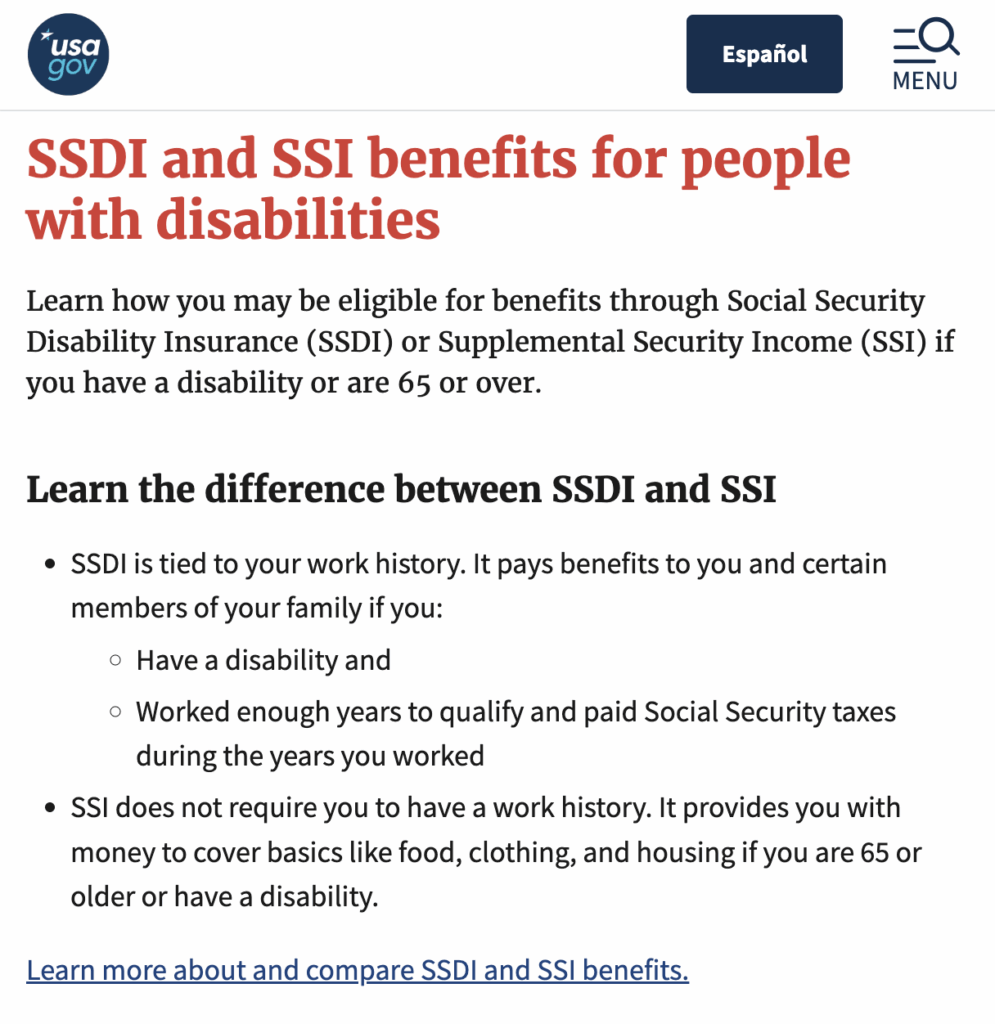
Disability benefits, on the other hand, can come from either:
- California State Disability Insurance (SDI), which helps if you’re temporarily unable to work due to an illness or injury that is not job-related, or
- Social Security Disability Insurance (SSDI), a federal program for people who can’t work long-term due to a serious medical condition, whether work-related or not.
Each program has its own rules, eligibility requirements, and payment systems.
Can You Receive Both Workers’ Comp and Disability?
In some cases, yes. But it depends on which disability program we’re talking about.
1. Workers’ Comp and State Disability (SDI)
Normally, you cannot receive SDI and workers’ comp for the same period of time for the same injury. That’s because both are meant to replace your wages, and you can’t be paid twice for the same loss of income.
However, you may qualify for SDI if your workers’ comp claim is delayed, denied, or under review.
In that situation, SDI can provide temporary help while your workers’ comp claim gets sorted out. Once your workers’ comp claim is approved, the state may ask for reimbursement from those payments.
2. Workers’ Comp and Social Security Disability (SSDI)
It’s also possible to receive workers’ comp and federal SSDI benefits at the same time.
SSDI is for people whose injuries or illnesses keep them from working for at least a year or are expected to be permanent. If your work injury caused that level of disability, you may qualify.
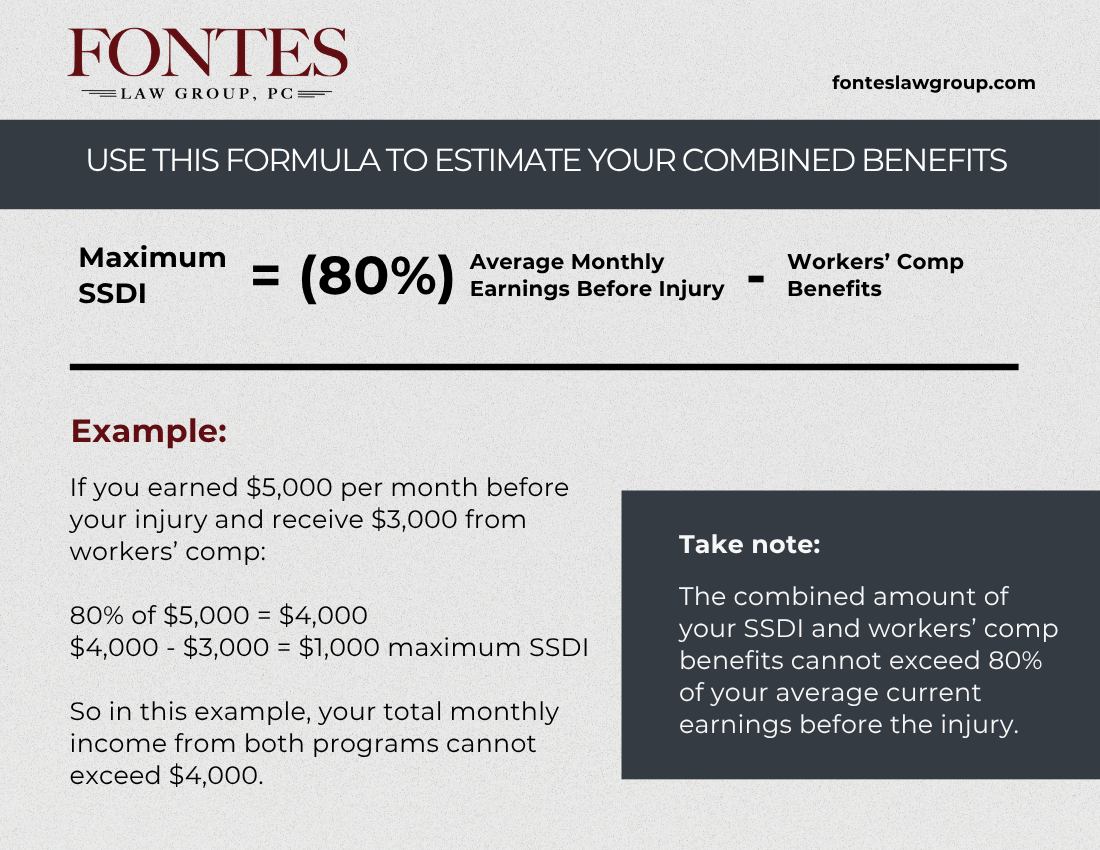
However, there’s a catch. The combined amount of your SSDI and workers’ comp benefits cannot exceed 80% of your average current earnings before the injury.
If it does, the Social Security Administration (SSA) will reduce your SSDI payments to stay within that limit. This is called the workers’ comp offset.
Example: How the Offset Works
Why You Might Need Both Workers’ Comp and Disability
Some workers’ comp injuries are severe and long-lasting. You might receive workers’ comp while you’re recovering and later apply for SSDI if your condition becomes permanent or prevents you from returning to work.
Others might need SSDI after their workers’ comp case ends but they still can’t earn a living.
Getting both programs coordinated correctly can make a big difference in your financial stability, and that’s where a workers’ compensation attorney can help.
How Fontes Law Group Can Help
At Fontes Law Group, we regularly help injured workers understand how workers’ comp interacts with disability benefits.
Our attorneys make sure your claims are handled correctly, that you get the maximum benefits available, and that you don’t lose money due to overlapping payments or missed deadlines.
We help clients:
- File and appeal workers’ compensation claims
- Navigate SSDI applications and offsets
- Communicate with insurance carriers and government agencies
- Plan for long-term recovery and financial stability
With offices in Santa Ana and Riverside, our team proudly serves Southern California’s bilingual community, providing guidance in both English and Spanish.
FAQs About About Workers’ Comp and Disability
Q: I’m already on workers’ comp. Can I still qualify for disability benefits too?
Yes, sometimes. You may qualify for both if your injury prevents you from working long-term and meets the requirements of each program. However, the combined amount you receive from both programs cannot exceed a certain limit, and each benefit has its own eligibility rules.
Q: What if my workers’ comp claim is denied or delayed?
If your claim is denied or still being reviewed, you may apply for California State Disability Insurance (SDI) while waiting for a decision. SDI can provide temporary wage replacement until your workers’ comp benefits begin. Once workers’ comp is approved, the state may request reimbursement for overlapping payments.
Q: Can I get Social Security Disability (SSDI) while receiving workers’ comp?
Yes, but your SSDI payment may be reduced. The Social Security Administration (SSA) limits the total amount you can receive from both programs to about 80% of your average pre-injury earnings. This is called the workers’ comp offset.
Q: Do I need an attorney to apply for both programs?
You are not required to have a lawyer, but working with a workers’ compensation attorney can help you avoid delays and ensure you receive the maximum benefits available. Fontes Law Group can handle communication with insurance companies and agencies, coordinate benefits, and protect your rights at every step.
Q: What if I can’t return to work after my workers’ comp ends?
If your condition keeps you from working after your workers’ comp claim closes, you may be eligible for long-term disability benefits through SSDI or a private insurance plan. An attorney can review your situation and help you transition to the right type of support.
Bottom Line
You can receive workers’ comp and disability at the same time in some situations, but the details matter.
If your injury is work-related and you’re unsure which benefits apply, don’t try to figure it out alone.
Fontes Law Group can review your situation, explain your options clearly, and help you protect every dollar you’re entitled to.
Need help understanding your workers comp case? Fontes Law Group offers bilingual legal support in Santa Ana, Riverside, and across Southern California.
If you are facing a settlement offer or have questions about your rights, contact Fontes Law Group today.